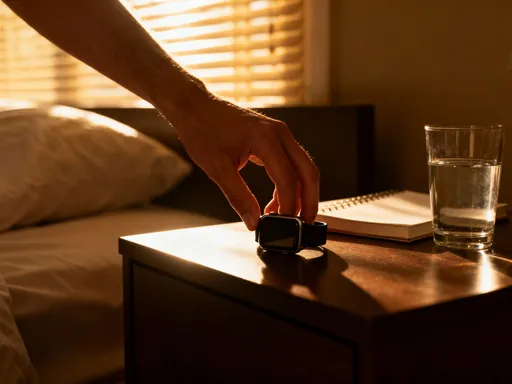
How I Fixed My Sleep Without Pills — A Real Guide to Waking Up Refreshed
Sleep used to be my biggest struggle — tossing, turning, staring at the ceiling. I tried everything, from late-night scrolling to “just relaxing,” but nothing worked. Until I actually understood what quality sleep really means. It’s not about more hours — it’s about rhythm, habits, and small daily choices. This is how I transformed my sleep naturally, and why it might change your life too.
The Sleep Crisis We Ignore
Millions of people wake up each morning feeling exhausted, even after spending eight or more hours in bed. This is not a rare experience — it is a widespread, often overlooked public health issue. Poor sleep quality affects cognitive performance, emotional stability, and long-term physical health. Many assume that as long as they are in bed for a certain number of hours, they are meeting their body’s needs. However, sleep is not simply a matter of duration. The structure of sleep — how deeply and consistently we move through its stages — determines whether rest is truly restorative.
Sleep occurs in cycles that last about 90 minutes, each consisting of light sleep, deep sleep, and REM (rapid eye movement) sleep. Deep sleep is crucial for physical recovery and immune function, while REM sleep supports memory consolidation and emotional regulation. When these cycles are disrupted — by noise, stress, light, or irregular schedules — the body fails to complete them fully. This leads to non-restorative sleep, where one may sleep for hours but still wake up feeling unrefreshed. Research shows that fragmented sleep is linked to increased risks of chronic conditions such as hypertension, type 2 diabetes, and depression.
One of the most common misconceptions is the belief that sleep can be “caught up on” over the weekend. While sleeping in may temporarily relieve fatigue, it does not reverse the metabolic and neurological damage caused by chronic sleep deprivation during the week. In fact, irregular sleep patterns confuse the body’s internal clock, making it harder to fall asleep and wake up at consistent times. This phenomenon, known as social jet lag, mimics the effects of actual time zone changes and can impair alertness and mood for days. The truth is, sleep is not a savings account — it cannot be overdrafted and repaid without consequence.
Why Your Body Can’t “Power Through” Poor Sleep
There is a persistent cultural myth that success requires sacrificing sleep — that burning the midnight oil is a sign of dedication. But the human body does not function like a machine that can be pushed indefinitely. When sleep is compromised, biological systems begin to malfunction. Hormone regulation is one of the first areas affected. Cortisol, the stress hormone, rises when sleep is insufficient, while melatonin, which signals nighttime, is suppressed. Insulin sensitivity decreases, increasing the risk of weight gain and metabolic disorders. Growth hormone, which repairs tissues and supports muscle health, is primarily released during deep sleep — so without it, recovery slows down.
The brain, in particular, suffers from poor sleep. Think of it like a smartphone that never fully charges — it runs slower, apps freeze, and the battery drains faster. Without sufficient rest, the brain struggles to clear metabolic waste through the glymphatic system, a process that is most active during deep sleep. This buildup of toxins has been associated with long-term neurodegenerative risks, including Alzheimer’s disease. Cognitive functions such as attention, decision-making, and emotional control decline significantly after just one night of poor sleep. Over time, this contributes to brain fog, irritability, and difficulty concentrating — symptoms many mistake for aging or stress, when they are actually signs of sleep debt.
Immune function also weakens with chronic sleep disruption. Studies show that people who sleep less than six hours per night are more likely to catch colds and infections. This is because sleep enhances the production of cytokines, proteins that help the body fight off illness. When sleep is cut short, the immune system becomes less responsive. The consequences extend beyond daily discomfort — long-term sleep deficiency has been linked to increased inflammation, which plays a role in heart disease, arthritis, and other chronic conditions. The body is not designed to operate in a constant state of fatigue. It needs rest to reset, repair, and prepare for the next day.
What Actually Shapes Sleep Quality?
Sleep quality is not determined solely by what happens at bedtime. It is shaped by a web of daily habits and environmental signals that influence the body’s internal clock, also known as the circadian rhythm. This biological timer runs on a roughly 24-hour cycle and is primarily regulated by light exposure. When natural daylight enters the eyes in the morning, it signals the brain to suppress melatonin and increase alertness. Conversely, as evening approaches and light fades, melatonin rises, preparing the body for sleep. Modern lifestyles, however, often disrupt this natural rhythm. Artificial lighting, screen use, and irregular schedules can confuse the circadian system, delaying sleep onset and reducing sleep efficiency.
Other daily factors play a significant role as well. Meal timing affects digestion and energy levels — eating too late can cause discomfort and interfere with falling asleep. Physical activity, especially when done earlier in the day, helps regulate the sleep-wake cycle by increasing the drive for rest. Mental state is equally important; chronic stress and anxiety activate the sympathetic nervous system, making it harder to transition into a relaxed state at night. Even seemingly minor choices — such as when you drink coffee or how you respond to daily stressors — can accumulate and impact sleep quality over time.
The concept of sleep hygiene refers to a set of practices that support healthy sleep, but it should not be seen as a rigid checklist. Instead, it is about creating a lifestyle that aligns with the body’s natural rhythms. This includes maintaining a consistent wake-up time, limiting screen exposure in the evening, and establishing calming pre-sleep routines. The goal is not perfection, but consistency — small, sustainable changes that signal safety and predictability to the brain. When the body learns to expect rest at the same time each night, it begins to prepare automatically, making it easier to fall asleep and stay asleep.
My Nightly Reset Routine (That Actually Works)
After years of trial and error, I developed an evening routine that transformed my sleep without relying on medication. The key was not adding more tasks, but removing the ones that disrupted my natural rhythm. I started by setting a firm screen cutoff time — one hour before bed. This meant turning off the television, putting away my phone, and closing the laptop. The blue light emitted by screens suppresses melatonin production, tricking the brain into thinking it is still daytime. By eliminating this interference, I noticed that my eyes began to feel heavier naturally, and my mind felt calmer.
I replaced screen time with low-stimulation activities. Reading a physical book under warm lighting became a cornerstone of my routine. The act of reading — especially fiction or calming nonfiction — helped shift my focus away from the day’s stresses. I also introduced a simple tea ritual using caffeine-free herbal blends like chamomile or passionflower, which have mild relaxing properties. The warmth of the cup, the ritual of preparation, and the absence of digital distractions created a psychological signal: it was time to slow down.
I adjusted the lighting in my home to support this transition. I installed dimmer switches and used warm-toned bulbs in the bedroom and living areas. Bright, cool-white light is alerting, while soft, amber light mimics sunset and encourages relaxation. I also began using a small salt lamp in the bedroom, which provided a gentle glow without disrupting melatonin. Over time, these changes became automatic. My body began to associate these cues with sleep, and within a few weeks, I found myself feeling sleepy at the same time each night — without an alarm or effort. The most important lesson I learned was that consistency matters more than perfection. Even on nights when I slipped up, returning to the routine the next evening kept progress moving forward.
Daytime Habits That Secretly Affect Your Sleep
While nighttime routines are important, what happens during the day has an equally powerful influence on sleep quality. One of the most impactful changes I made was prioritizing morning sunlight exposure. Within 30 minutes of waking, I made it a habit to step outside — even if only for 10 minutes — to get natural light. This simple act helped anchor my circadian rhythm, sending a strong signal to my brain that the day had begun. Over time, this improved not only my alertness in the morning but also my ability to fall asleep at night. The body thrives on predictability, and consistent light exposure helps regulate the timing of melatonin release.
Physical activity was another game-changer. I did not need to run marathons or spend hours at the gym — even moderate movement made a difference. A 30-minute walk during lunch, stretching in the afternoon, or a gentle yoga session in the evening all contributed to better sleep. Exercise increases the production of adenosine, a chemical that builds up during wakefulness and creates sleep pressure. The more active I was during the day, the stronger my natural drive to sleep became at night. However, I learned to avoid vigorous workouts too close to bedtime, as they could be stimulating and delay sleep onset.
Caffeine timing also played a crucial role. I used to drink coffee in the afternoon, not realizing that its effects can last for up to six hours. By switching to herbal tea after noon, I noticed a significant improvement in my ability to wind down. I also paid attention to how I managed stress throughout the day. Instead of bottling up tension, I practiced brief mindfulness exercises — taking a few deep breaths, stepping outside for fresh air, or journaling for five minutes. These small acts of self-care prevented stress from accumulating and spilling into my nighttime thoughts. When the mind is less burdened, sleep comes more easily.
The Bedroom Environment Upgrade
The bedroom is not just a place to sleep — it is a sanctuary for rest. I realized that mine had become a multipurpose space: a workspace, a TV room, and sometimes even a dining area. This blurred the mental association between the room and sleep. To fix this, I redefined the bedroom’s purpose. I removed the television, stopped working from bed, and limited phone use. The goal was to train my brain to see the bedroom as a place for rest and relaxation only.
I also made several low-cost but effective upgrades to the physical environment. Temperature is a powerful regulator of sleep — the body needs to cool down to initiate sleep. I adjusted my thermostat to keep the room between 60 and 67 degrees Fahrenheit, which research shows is optimal for most people. I invested in breathable, natural-fiber bedding — cotton and linen — which helped regulate body temperature and reduced night sweats. Heavy blackout curtains blocked out streetlights and early morning sun, creating a darker, more cave-like atmosphere that supports melatonin production.
Noise was another factor I addressed. Even small sounds — a creaking floorboard, a distant siren — could wake me up or prevent deep sleep. I began using a white noise machine, which provided a consistent background hum that masked disruptive sounds. Some people prefer nature sounds or fan noise — the key is finding a steady auditory backdrop that promotes calm. I also ensured my mattress and pillows provided adequate support. While I did not replace them immediately, I rotated the mattress regularly and replaced pillows every 18 months to maintain comfort. These changes transformed my bedroom into a space that felt safe, quiet, and inviting — a true refuge from the outside world.
When to Seek Help — And Why It’s Not Failure
While lifestyle changes can dramatically improve sleep for many, some individuals face underlying conditions that require professional evaluation. I resisted seeking help for years, believing that better sleep was purely a matter of willpower. But when my fatigue persisted despite consistent efforts, I consulted a healthcare provider. It turned out I had mild sleep apnea, a condition where breathing repeatedly stops and starts during sleep. This was disrupting my sleep cycles and preventing deep, restorative rest. With a proper diagnosis, I was able to use a continuous positive airway pressure (CPAP) device, which significantly improved my sleep quality and daytime energy.
Other conditions, such as chronic insomnia, restless legs syndrome, or circadian rhythm disorders, may also require medical intervention. These are not signs of personal failure — they are medical issues that respond well to treatment. Cognitive behavioral therapy for insomnia (CBT-I) is considered the gold standard for long-term improvement and has been shown to be more effective than medication in many cases. It helps individuals identify and change negative thought patterns and behaviors around sleep. Medications may be used short-term, but they do not address the root causes and can lead to dependence.
Seeking help is an act of self-care, not weakness. It reflects a commitment to long-term health and well-being. Just as we visit doctors for physical injuries or illnesses, sleep problems deserve the same attention. A healthcare provider can rule out medical causes, offer evidence-based solutions, and support sustainable change. The journey to better sleep is not always linear, and there is no shame in needing guidance. What matters is taking the first step — whether that’s adjusting a habit, improving the sleep environment, or talking to a professional.
Improving sleep is not about achieving perfection — it is about building a life that supports rest. My journey began with frustration and fatigue, but through small, consistent changes, I found a rhythm that works for me. Better sleep has transformed my energy, focus, and emotional resilience. It has become the quiet foundation of my health — not a luxury, but a necessity. The path may look different for everyone, but the principles remain the same: align with your body’s natural rhythms, create supportive habits, and treat sleep as a priority. With patience, self-awareness, and consistency, waking up refreshed is not just possible — it can become your new normal.