Salt Less, Move More: How I Found My Rhythm with Low-Sodium Living
Living with high blood pressure scared me—until I discovered how a low-salt diet and smart daily movement could transform my energy and health. It wasn’t about perfection, but small, consistent changes. This is what worked for me, backed by science and real-life tweaks that fit into a busy schedule. I didn’t need a dramatic overhaul—just better awareness, practical swaps, and a commitment to moving my body every day. What began as a medical necessity soon became a lifestyle I didn’t just tolerate, but truly embraced. And the best part? You don’t have to be an athlete or a gourmet chef to make it work.
The Wake-Up Call: Why Salt Sneaks Into Your Life
For years, I thought I was eating fairly well. I avoided obvious culprits like chips and fast food, yet my blood pressure readings kept climbing. The real shock came during a routine checkup when my doctor said, “Your numbers are high, but they don’t have to stay that way.” That moment was a wake-up call. I began to investigate where sodium hides—and it was everywhere, even in foods I assumed were healthy. Canned soups labeled “low-fat” or “natural” often contain more than half the recommended daily sodium in a single serving. Frozen meals, salad dressings, breakfast cereals, and even bread can be loaded with salt, not because they taste salty, but because manufacturers use sodium to enhance flavor, preserve shelf life, and improve texture.
Excess sodium disrupts the body’s delicate fluid balance. When you consume too much salt, your body retains water to dilute the sodium in your bloodstream. This increases blood volume, which in turn raises pressure on your artery walls. Over time, consistently high blood pressure—also known as hypertension—damages blood vessels, strains the heart, and significantly raises the risk of heart disease and stroke. According to major health organizations, adults should consume no more than 2,300 milligrams of sodium per day, with an ideal limit of 1,500 mg for those with elevated blood pressure. Yet the average American consumes over 3,400 mg daily, largely due to processed and restaurant foods.
One of the most misleading myths is that if a food doesn’t taste salty, it must be low in sodium. That’s simply not true. Many high-sodium foods, like sweet breakfast bars or flavored yogurts, use salt to balance sweetness or enhance other flavors. Another misconception is that sea salt or Himalayan pink salt is a healthier alternative. While these may contain trace minerals, they are chemically still sodium chloride—and your body processes them the same way as table salt. The truth is, no form of salt is truly “safe” in excess. The key isn’t switching types, but reducing overall intake.
What “Low-Salt” Really Means: Clearing the Confusion
When I first heard “low-sodium diet,” I imagined bland meals and constant deprivation. But over time, I learned that eating low-salt isn’t about punishment—it’s about retraining your palate and making informed choices. A low-sodium diet typically means consuming less than 2,300 mg of sodium per day, with a goal of 1,500 mg for those managing hypertension. To put that in perspective, one teaspoon of table salt contains about 2,300 mg of sodium. That means even modest use of salt during cooking or at the table can quickly push you over the limit, especially when combined with hidden sodium in packaged foods.
The foundation of a low-salt diet is whole, unprocessed foods. Fresh fruits and vegetables, whole grains, legumes, unsalted nuts, and fresh or frozen meats without added solutions are naturally low in sodium. Dairy products like plain milk and unsalted butter also fit well within a low-sodium plan. The real challenge lies in navigating the grocery store aisles, where marketing terms like “healthy,” “natural,” or “heart-friendly” can be misleading. Always check the Nutrition Facts label. Look for products with less than 140 mg of sodium per serving, which qualifies as “low sodium” by FDA standards. Be cautious of serving sizes, as a package may contain multiple servings, making the total sodium content much higher than it first appears.
Flavor doesn’t have to come from salt. In fact, removing excess sodium can help your taste buds become more sensitive to subtle flavors. I began experimenting with herbs and spices—basil, oregano, thyme, cumin, and turmeric became staples in my kitchen. Fresh garlic, onion, ginger, and citrus juices like lemon or lime add brightness and depth without sodium. Vinegars, such as apple cider or balsamic, can also enhance flavor in dressings and marinades. Over time, foods that once tasted “normal” began to taste overly salty, a sign that my palate was adapting. This shift didn’t happen overnight, but with patience, my cravings changed, and I found I no longer missed the salty punch I once relied on.
My Kitchen Makeover: Simple Swaps That Actually Stick
Transforming my kitchen didn’t require a complete pantry purge—just smarter choices and a few key substitutions. One of the first changes I made was switching from canned vegetables to fresh or frozen ones without added salt. When I did use canned beans or vegetables, I made it a habit to rinse them thoroughly under cold water, which can reduce sodium content by up to 40%. Another easy swap was replacing regular canned soups with low-sodium or no-salt-added versions, or better yet, making my own broth in large batches and freezing it in portions.
I also started using no-salt seasoning blends. Many brands offer flavorful mixes made from herbs, spices, and sometimes nutritional yeast, which adds a savory, umami quality without sodium. I kept a shaker of one blend on the counter and used it on everything from scrambled eggs to roasted vegetables. When cooking grains like rice or quinoa, I used low-sodium broth instead of water for added flavor. For snacks, I replaced salty crackers with unsalted nuts, fresh fruit, or homemade trail mix with dried fruit and seeds.
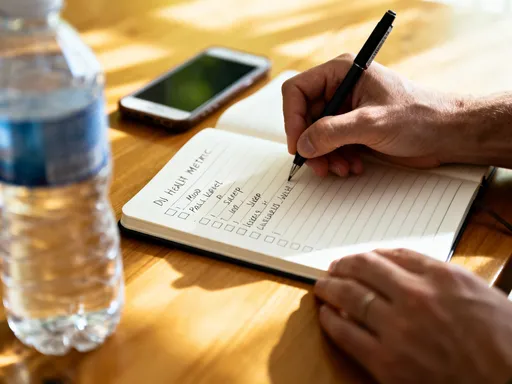
Habit stacking—pairing a new behavior with an existing one—helped me stay consistent. For example, every time I put on the kettle for tea, I also prepped a container of chopped vegetables for the next day’s lunch. When I cooked dinner, I made extra portions to freeze for busy evenings, ensuring I wouldn’t resort to high-sodium convenience meals. Meal planning on Sundays became a non-negotiable part of my routine. By deciding what to eat in advance, I avoided last-minute takeout and reduced stress during the week. These small, repeatable actions built a sustainable system that supported my health without feeling overwhelming.
Beyond the Plate: How Exercise Supports Sodium Balance
While diet plays a central role in managing blood pressure, I quickly realized that movement was just as important. Physical activity helps the body regulate sodium and fluid balance more efficiently. When you exercise, your muscles use energy and generate heat, prompting your body to sweat. Sweat contains sodium, so regular activity can help excrete excess sodium through the skin. More importantly, consistent exercise strengthens the heart, allowing it to pump blood with less effort. This reduces pressure on the arteries and improves overall cardiovascular function.
Studies have shown that regular physical activity can lower systolic blood pressure—the top number—by an average of 5 to 8 mm Hg, which is comparable to some blood pressure medications. The benefits are even greater when exercise is combined with a low-sodium diet. Exercise also improves insulin sensitivity, reduces inflammation, and helps maintain a healthy weight—all factors that support heart health. The type of activity matters less than consistency. Aerobic exercise, such as walking, cycling, or swimming, is particularly effective for lowering blood pressure. Strength training, even with light weights or resistance bands, builds muscle mass and boosts metabolism. Flexibility and balance exercises, like stretching or yoga, contribute to overall well-being and reduce the risk of injury, making it easier to stay active long-term.
One of the most powerful aspects of exercise is its impact on the nervous system. Chronic stress activates the sympathetic nervous system, which can constrict blood vessels and raise blood pressure. Regular physical activity helps regulate this response, promoting relaxation and improving mood. Over time, I noticed that on days I moved my body, I felt calmer, slept better, and had more energy—benefits that went far beyond the numbers on the scale or blood pressure cuff.
Real Movement, Real Life: Building Exercise Into a Hectic Day
I used to think that to “count,” exercise had to mean 30 minutes on a treadmill or a structured gym session. But life as a busy adult—juggling work, family, and household responsibilities—rarely allows for that kind of time. What changed everything was redefining what movement looks like. I began looking for ways to add physical activity in small, manageable bursts throughout the day. Ten minutes here, five minutes there—it all adds up.
One of the easiest changes was walking more. I started parking farther from store entrances, taking the stairs instead of the elevator, and scheduling walking meetings when possible. If a phone call lasted 15 minutes, I took it on foot around the block. I also began doing short home workouts—10 minutes of bodyweight exercises like squats, lunges, and modified push-ups—while waiting for dinner to cook. There are countless free online videos designed for all fitness levels, requiring no equipment and minimal space.
Active commuting, even partially, made a difference. If I drove, I parked a mile away and walked the rest. On errands, I combined trips and walked between stores instead of driving. On weekends, I made movement part of family time—hiking, biking, or playing in the park with my children. The key was consistency, not intensity. Behavioral science shows that habits are more likely to stick when they’re tied to existing routines, enjoyable, and perceived as achievable. I stopped waiting for motivation and focused instead on creating an environment where movement was the default choice, not the exception.
Putting It Together: A Day in My Low-Salt, Active Routine
Now, my daily rhythm blends low-sodium eating and natural movement in a way that feels sustainable. A typical day starts with a breakfast of oatmeal made with water and topped with banana slices, a handful of walnuts, and a sprinkle of cinnamon. The banana provides potassium, which helps counterbalance sodium and supports healthy blood pressure. I drink a glass of water with lemon and avoid adding salt to any morning meal.
For lunch, I often have a large salad with mixed greens, grilled chicken, cherry tomatoes, cucumbers, and chickpeas I’ve rinsed and drained. I dress it with olive oil, balsamic vinegar, and a touch of Dijon mustard—no store-bought dressings, which are often high in sodium. If I’m preparing a grain bowl, I use quinoa or brown rice cooked in low-sodium vegetable broth and seasoned with garlic and herbs. Snacks are simple: an apple with almond butter, carrot sticks with hummus, or a small handful of unsalted mixed nuts.
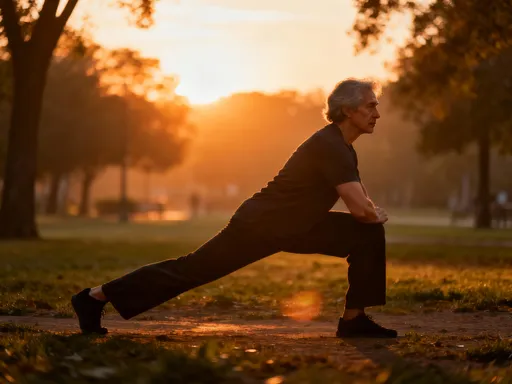
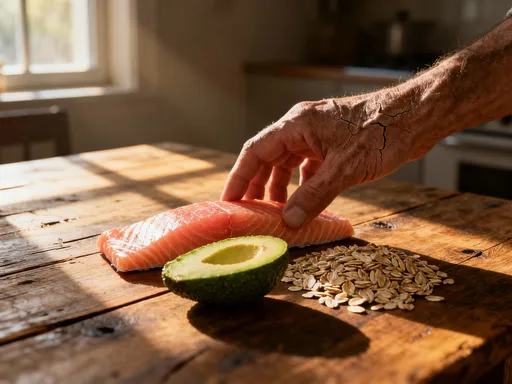
In the evening, I take a 30-minute walk, rain or shine. It’s my time to unwind, reflect, and get fresh air. Dinner is usually a balanced plate: a lean protein like baked salmon or tofu, steamed vegetables seasoned with lemon and herbs, and a side of sweet potato or whole-grain pasta. I cook with minimal added salt, relying instead on spice blends and fresh ingredients for flavor. After dinner, I stretch or do a short yoga sequence to relax my muscles and prepare for sleep.
The synergy between what I eat and how I move is undeniable. On days I stick to this routine, I feel more focused, less bloated, and emotionally balanced. My blood pressure has improved significantly, and my doctor has noted steady progress. But more than the numbers, I’ve gained confidence in my ability to care for myself, even amid life’s demands.
Staying on Track: Mindset, Support, and When to See a Doctor
Change doesn’t happen overnight, and setbacks are part of the process. There were days I ate a high-sodium meal or skipped my walk, and I learned not to view these as failures, but as feedback. Self-compassion has been essential. Instead of giving up after a slip, I ask myself what triggered it—was I tired, stressed, or simply unprepared? Then I adjust. Maybe I need to keep emergency snacks on hand or schedule walks earlier in the day when energy is higher.
Support also makes a difference. I shared my goals with my family, and over time, they began to adopt some of the same habits—less salt in cooking, more walks together, healthier grocery choices. Having others on the same path creates accountability and encouragement. I also stay in close contact with my healthcare provider, who monitors my blood pressure and offers guidance. It’s important to note that while lifestyle changes are powerful, they are not a substitute for medical treatment when needed. Anyone with high blood pressure or other health concerns should consult a doctor before making significant changes to diet or exercise.
What I’ve learned is that sustainable health isn’t about extreme measures or perfection. It’s about making better choices, most of the time, in a way that fits your life. Lowering sodium and moving more didn’t just improve my blood pressure—it gave me a renewed sense of control and vitality. You don’t need a dramatic transformation to see results. Start small. Be consistent. And remember, every positive choice is a step toward a healthier, more vibrant you.